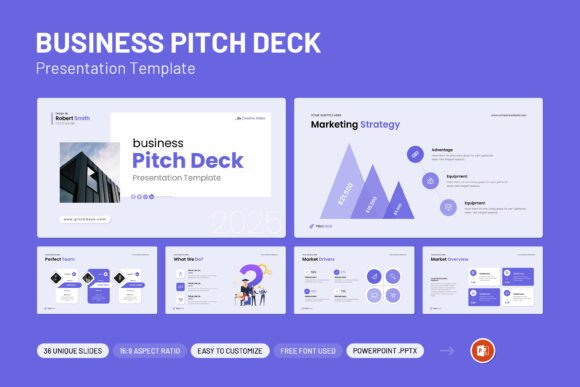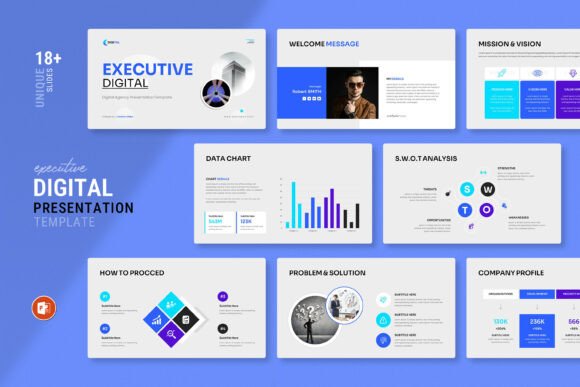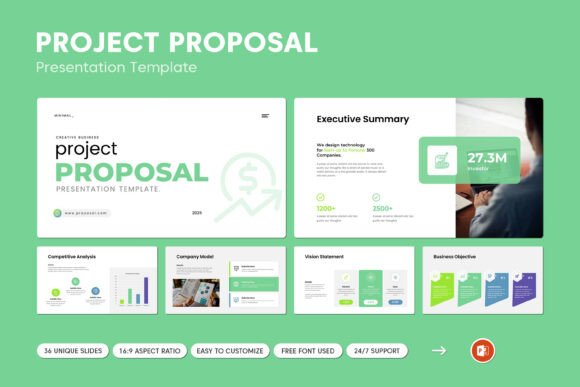
Business Pitch Deck PowerPoint: A Swiss-Style Template for Clear, Confident Presentations
When preparing a pitch for investors, clients, or internal stakeholders, the visual structure of your presentation can determine whether your message lands or gets lost. A Business Pitch Deck PowerPoint built around Swiss design principles offers a disciplined approach to layout, typography, and imagery. This article explores what that template offers, how it compares to other slide decks, and how to decide if it suits your needs.
What Is a Swiss-Style Business Pitch Deck PowerPoint?
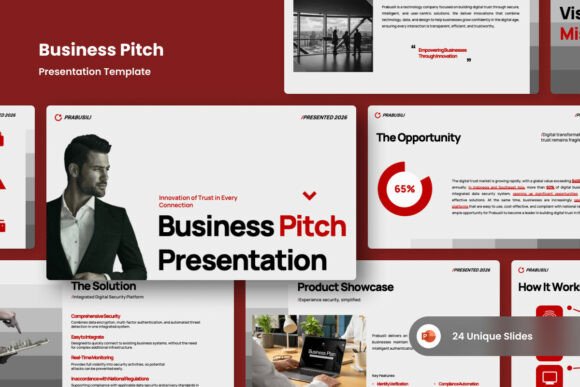
Swiss design, also known as the International Typographic Style, emphasizes clarity, order, and objectivity. Applied to a PowerPoint deck, it translates into strong grid systems, consistent alignment, and minimal decorative elements. A Business Pitch Deck PowerPoint in this style typically features bold headings, carefully balanced white space, and high-contrast photography that works as visual anchor rather than distraction.
These templates are not about flashy animations or complex transitions. Instead, they focus on content hierarchy. Slides are built around master slides, which means every layout adheres to a set of predefined guides. The result is a cohesive narrative flow that helps audiences concentrate on the core message. Common components include simple infographics, editable graphics, and placeholder areas that make it easy to insert your own images and data.
Because the design is based on a 16:9 widescreen ratio, it is optimized for modern projectors and screens. The files are provided in PPTX and PDF formats, and the recommended fonts are free web fonts, reducing licensing concerns. All graphics remain resizable and editable within PowerPoint, giving presenters flexibility to tailor each slide without rebuilding the structure.
Why People Consider This Type of Template
Business professionals evaluate a Business Pitch Deck PowerPoint when they need to present value quickly and convincingly. Several practical reasons drive interest:
- Time savings – A pre-structured deck eliminates the need to design layouts from scratch. For entrepreneurs juggling multiple responsibilities, this can free up hours that would otherwise be spent adjusting margins and font sizes.
- Consistency across slides – Templates enforce uniform spacing, typography, and color palettes. This reduces the risk of a presentation feeling choppy or amateurish.
- Professional aesthetics – The Swiss approach conveys precision and modernity. Investors and clients who see many pitches may react positively to clean, uncluttered slides that let data and stories take center stage.
- Adaptability – Because the deck is fully editable, it can be repurposed for different audiences. Changing a few slides or reordering sections is straightforward without breaking the overall design language.
That said, not every presenter will benefit equally. The template’s effectiveness depends on how well its structure matches the content and the speaker’s delivery style.
Benefits of a Swiss-Style Pitch Deck Template
The primary advantage of using a Business Pitch Deck PowerPoint rooted in Swiss design is the way it supports audience comprehension. Research in presentation design consistently shows that cognitive load decreases when slides have clear visual hierarchy. Strong grids help viewers quickly locate key information, while bold headings signal transitions between sections.
High-contrast photography, when used sparingly, adds emotional weight without overwhelming the text. In investor meetings, where decisions are often made based on trust and credibility, a polished visual style can subtly reinforce the professionalism of the presenter.
Another benefit is the drag-and-drop picture placeholder feature. This lowers the technical barrier for team members who may not be design-savvy. They can replace placeholder images with company photos or product shots, and the layout will still hold together because the template’s proportions are fixed.
From a workflow perspective, master slides ensure that global changes—like updating a logo or changing a color accent—propagate across all slides instantly. This consistency is especially valuable for teams collaborating on a single presentation file.
Tradeoffs and Potential Limitations
No template is one-size-fits-all. The Swiss style prioritizes structure, which may feel rigid if you need highly creative or unconventional layouts. For pitches that rely heavily on visual metaphors or nonlinear storytelling, the strict grid system could become a constraint rather than a scaffold.
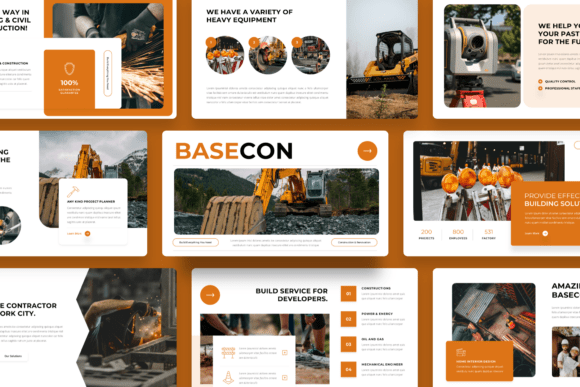
Another tradeoff is the reliance on photography. The template previews use imagery to demonstrate impact, but the download files do not include those images. You will need to source your own high-quality photos. If your brand lacks professional photography or your product is not visually compelling, the deck may appear less polished unless you invest in custom stock images.
Font selection is another consideration. While free web fonts are recommended, they must be loaded correctly on the device used for the presentation. If the fonts are not embedded or the presentation is opened on a machine without them, fallback fonts may shift the layout. Testing the deck before the actual meeting is essential.
Finally, because the template is designed with strong visual hierarchy, it can be unforgiving of too much text. If you tend to include dense bullet points or lengthy paragraphs, you may need to edit aggressively to fit the spatial constraints. The Swiss approach works best with concise, scannable content.
Expectations When Working with This Template
Users should expect a moderate learning curve if they are not familiar with master slides or PowerPoint’s grid tools. The template’s structure is not a locked PDF; it is designed for editing, but that also means you can accidentally move objects outside the grid if you are not careful. It helps to keep the template file as a reference version and work from a copy.
The file includes PPTX and PDF formats. The PPTX is the primary editable version. For collaboration, you may want to share the PPTX and ensure all team members have the same font licenses. The PDF is useful for proofing or for sharing a non-editable version after the deck is finalized.
Presenters should also plan for rehearsal. A clean template does not replace the need for effective delivery. The deck can guide the audience’s attention, but the speaker still needs to tell a compelling story about the business opportunity, market size, and competitive advantage.
When This Template Is a Strong Fit
A Business Pitch Deck PowerPoint following Swiss design is particularly well suited for:
- Startup fundraising – Investors expect concise, evidence-driven pitches. The template’s clean structure helps founders present traction, financial projections, and team credentials without distraction.
- Sales proposals – For B2B sales, a disciplined deck can communicate value propositions clearly, especially during time-constrained meetings.
- Strategic planning sessions – Internal presentations that need to align teams around goals and milestones benefit from the template’s clear hierarchy.
- Marketing and design teams – Creative professionals who appreciate modern aesthetics will find the Swiss style aligns with contemporary design trends.
- Professionals presenting to skeptical audiences – When you need to build credibility quickly, a polished, well-structured deck signals that you have done your homework.
When Alternatives Might Be Worth Considering
Other presentation approaches may suit you better in these scenarios:
- Highly visual brand storytelling – If your pitch relies on large-format images, video backgrounds, or animated transitions, a more flexible template (or a custom design) may be needed.
- Content-heavy decks – For research presentations or technical reports that require dense data, a simpler template with larger text areas might reduce the need for content trimming.
- Non-corporate audiences – Creative industries, educational settings, or informal meetings may benefit from a more playful or less rigid visual language.
- Teams without design support – If you cannot source high-quality photography or do not have time to optimize font loading, a template that relies less on imagery could be more reliable.
Alternatives include minimalist templates with monochrome palettes, storyboard-style decks, or completely custom presentations built in design software. Each has its own learning curve and maintenance overhead.
Practical Decision-Making Insights
To decide if a Swiss-style Business Pitch Deck PowerPoint aligns with your goals, start by assessing your content length and visual assets. Gather your core slides—market problem, solution, business model, traction, team, financials—and see if they can be expressed in 10–15 slides with short bullet points and one key visual per slide. If your content naturally fits, the template will likely work well.
Next, consider your audience’s expectations. Investors, especially in tech and finance, are accustomed to clean, data-led decks. A Swiss-style template matches that norm. For client presentations in creative fields, you may want to add a custom header or accent color to differentiate your brand.
Test the template on your actual hardware. Download the fonts ahead of time, embed them in the file, and run through the presentation in presentation mode. Check for any distortion or misalignment. Share a copy with a colleague and ask for feedback on legibility and visual flow.
Also, factor in the time needed to replace placeholders. The drag-and-drop function makes image insertion fast, but sourcing or creating original photography can take a few days. Budget that time accordingly.
Finally, remember that a template is just a tool. The value of your pitch ultimately comes from your business story, data, and delivery. The deck can help you present with confidence, but it cannot substitute for a well-structured narrative. If you pair the template with thorough preparation and rehearsal, it can elevate your presentation to a professional level.